How to Choose a Toronto Wedding Venue for Photography and Videography
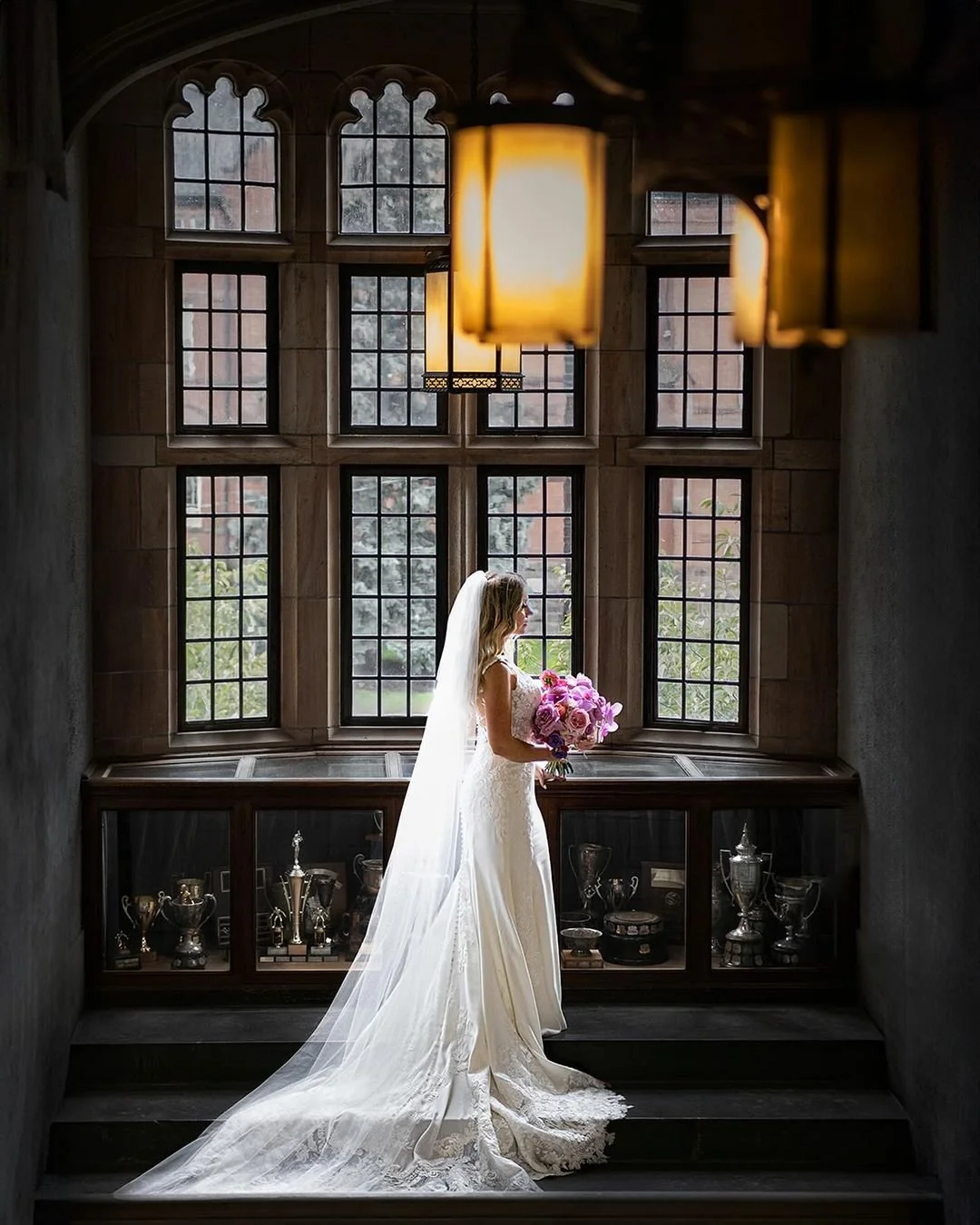
Your wedding venue affects much more than where the ceremony and reception take place.
The architecture, natural light, outdoor spaces, room layout and distance between locations can all influence your wedding photographs and film.
If wedding photography and videography are important to you, it is worth considering how the venue will work on camera before you book it.
Here are some practical things to look for when choosing a wedding venue in Toronto or the GTA.
1. Look at the Natural Light
Natural light can have a significant effect on wedding photography.
When touring a venue, look at:
Size of the windows
Direction of the light
Getting-ready rooms
Ceremony space
Reception room
Outdoor areas
Ask what the space looks like at the time of day when your wedding will take place.
A room that looks bright during a midday venue tour may feel very different during an evening ceremony.
2. Consider the Getting-Ready Rooms
The wedding day often begins with getting-ready photographs and video.
Look for rooms with:
Large windows
Enough space to move around
Clean backgrounds
Comfortable seating
Interesting architectural details
Space for the wedding party
A cramped or very dark room can make filming and photography more challenging.
You don't need a perfect room, but understanding the available space helps your photographer plan.
3. Think About Your Ceremony Background
Your ceremony will likely be one of the most photographed parts of the day.
When viewing the ceremony space, look at what will appear behind you.
Consider:
Architecture
Windows
Flowers
Trees
Lighting
Décor
Guest seating
Also think about where your photographer and filmmaker will be able to stand.
A beautiful ceremony space can still be difficult to photograph if there is very limited room for cameras.
4. Is There a Good Location for Couple Portraits?
You don't necessarily need a large property to have beautiful portraits.
Look for interesting areas such as:
Gardens
Courtyards
Architectural spaces
Staircases
Waterfront areas
Tree-lined paths
Large windows
Rooftops
Historic interiors
The most important thing is having options.
If the weather changes, an indoor portrait location can be especially useful.
5. What Happens If It Rains?
Ontario weather can change quickly.
When choosing a venue, ask:
“Where would we take portraits if it rains?”
A venue with an attractive indoor alternative gives you more flexibility.
Ask whether the indoor option is actually available for your wedding date rather than assuming it will be.
6. How Far Apart Are the Ceremony and Reception?
If your ceremony and reception happen at different venues, travel time becomes part of the photography timeline.
Toronto traffic can also make short distances take longer than expected.
Consider:
Distance between venues
Parking
Travel time
Guest transportation
Photographer travel
Filmmaker travel
If the ceremony and reception are in the same location, the timeline can often be simpler.
7. Where Can Your Photographer Work?
When touring a venue, ask about photography policies.
Some venues have restrictions around:
Flash photography
Tripods
Ceremony positioning
Photography during dinner
Drone use
Access to certain areas
Ask the venue before booking rather than finding out on the wedding day.
8. Where Can Your Videographer Set Up?
Videography can require more equipment than photography.
Ask about:
Camera positions
Audio equipment
Tripods
Ceremony restrictions
Reception access
Power outlets
Space for additional cameras
This is particularly important if you want multi-camera ceremony coverage.
9. Think About the Reception Room
Reception photographs are influenced by the room's layout and lighting.
Consider:
Head table position
Dance floor
Guest tables
DJ/band location
Stage
Windows
Ceiling height
Lighting
Room size
Ask where the photographer and filmmaker can move during the reception.
You don't want the room to feel crowded once vendors, guests and equipment are all inside.
10. Consider Your Wedding Photography Style
Your preferred photography style can influence which venue feels right.
If you like:
Natural photography:
Look for spaces with interesting environments and room for movement.
Editorial photography:
Architectural details and clean backgrounds may be important.
Documentary photography:
Consider venues with multiple spaces and opportunities for natural interactions.
Cinematic wedding films:
Think about movement, depth, interesting backgrounds and different environments.
You can explore Wedding Photography and Wedding Videography to think about the type of visual style you want before choosing your venue.
11. Ask About Venue Lighting
Reception lighting can completely change the atmosphere of a room.
Ask what lighting the venue normally uses.
For example:
Warm ambient lighting
Chandeliers
Uplighting
String lights
Candles
Colored DJ lighting
You can also ask whether additional lighting is permitted.
Your photographer and filmmaker can work with many different lighting conditions, but knowing what to expect helps with planning.
12. Don't Choose a Venue Only Because It Looks Good Online
Venue websites and Instagram accounts usually show the best angles and ideal conditions.
Visit the venue in person if possible.
Look at:
The actual spaces
Lighting
Backgrounds
Room size
Outdoor areas
Weather alternatives
Photography restrictions
If possible, visit around the same time of day as your planned ceremony.
13. Ask About Golden Hour
If outdoor portraits are important to you, find out when sunset will occur on your wedding date.
Then ask:
“Will we have access to an outdoor portrait location around sunset?”
A short golden-hour session can create a different look from daytime portraits.
It can also be incorporated into the reception timeline without taking you away from your guests for too long.
14. Consider Guest Experience Too
Your venue should work for your guests, not only for photographs.
Think about:
Distance between spaces
Accessibility
Seating
Washrooms
Parking
Weather protection
Cocktail hour location
Noise levels
Photography should fit naturally into the day rather than making guests wait around for long periods.
15. Ask These Questions Before Booking
Here is a useful venue checklist.
Photography
Is photography allowed everywhere?
Are there restrictions during the ceremony?
Can the photographer use flash?
Are outdoor portraits allowed?
Are there indoor rain alternatives?
Can the photographer access the venue before guests arrive?
Videography
Are tripods allowed?
Can cameras be placed in different positions?
Is audio equipment allowed during the ceremony?
Can the filmmaker record speeches?
Are there restrictions on movement during the reception?
Timeline
How early can vendors arrive?
When does the venue open?
When can the couple access the space?
How long is the cocktail hour?
When does the reception end?
Drone
If you are considering drone footage, ask your filmmaker and venue about whether it is permitted.
Drone use depends on the location, conditions and applicable rules, so it should always be confirmed in advance.
Toronto Wedding Venue Checklist
Before signing a venue contract, consider whether the location has:
Good natural light
A comfortable getting-ready room
A visually interesting ceremony space
Indoor portrait options
Outdoor portrait options
A weather backup
Space for photography
Space for video equipment
A reception layout that allows movement
Reasonable travel between locations
Clear vendor policies
You don't need every box checked.
The goal is to understand how the venue will work with the wedding experience you want.
Does the Venue Matter More Than the Photographer?
The venue and photographer serve different purposes.
A beautiful venue provides the environment.
Your photographer documents the people, relationships and moments happening there.
A skilled photographer can create strong images in many different environments, so you don't need to choose a venue purely because it looks impressive in photographs.
Your priorities should include the overall wedding experience as well as the visual setting.
Should You Choose Your Photographer Before Your Venue?
Some couples book the venue first.
Others already have a photographer in mind and use their experience when considering locations.
If you already know that natural, cinematic photography is important to you, looking through a photographer's complete galleries can help you understand how they work in different environments.
Once your venue and date are confirmed, you can then build the photography timeline around the actual location.
Frequently Asked Questions
What makes a wedding venue good for photography?
Natural light, interesting backgrounds, enough space to move, indoor and outdoor portrait options and a practical layout can all help.
Does a dark wedding venue make photography difficult?
It can create different lighting conditions, but experienced photographers can work in many environments. Ask to see complete galleries from venues with similar lighting.
Should a wedding venue have outdoor portrait locations?
Outdoor spaces are useful but not essential. A strong indoor alternative is particularly valuable if weather changes.
Can wedding photographers use flash at a venue?
It depends on the venue's rules. Confirm the photography policy before booking.
Can wedding videographers use multiple cameras?
Some venues allow multiple cameras and tripods, while others have restrictions. Ask about camera positioning during the ceremony and reception.
Should I consider the sunset when choosing a venue?
Yes, particularly if you want golden-hour portraits. Check the approximate sunset time for your wedding date and whether outdoor areas will be accessible.
Can I have drone footage at my wedding venue?
Possibly, but it depends on the location, conditions, permissions and applicable regulations. Confirm it with your filmmaker and venue in advance.
What if my wedding venue has bad weather?
Ask the venue what indoor portrait and ceremony alternatives are available. Having a backup plan can make the timeline much less stressful.
Choosing a Toronto Wedding Venue With Photography in Mind
Your venue doesn't need to be perfect for photographs.
What matters is whether the space supports the kind of wedding experience and visual story you want.
Look for good light, meaningful surroundings, practical spaces and enough flexibility for your photographer and filmmaker to work naturally.
If you're planning a Toronto or GTA wedding, explore Wedding Photography, Wedding Videography, Photo + Video, and Packages.
When you're ready, Check Your Wedding Date.
